Methanol reacts with normal biological eye processes, leading to permanent damage of vital nerves that send images to the brain. Even with treatment, https://ecosoberhouse.com/ over 30% of individuals will still have some permanent damage. At 0.15% to 0.19% BAC, motor functions, balance, and vision are impaired. At 0.20% and above, individuals are severely intoxicated and may experience loss of consciousness. In extreme cases, some slip into a coma and even die due to respiratory failure.
Prevention & Treatment of Alcohol Eyesight Damage
Research suggests heavy drinking accelerates the development of age-related macular degeneration (a leading cause of vision loss among older adults). AMD damages the macula—the central part of your retina responsible for sharp, detailed vision. Heavy alcohol consumption could produce free radicals in the liver.
How Drinking Alcohol Can Affect Eyesight
Alcohol (ethanol) is an intoxicating substance found in beverages like wine, beer, and liquor. Shortly after consumption, your body rapidly absorbs alcohol into the bloodstream. Once in the bloodstream, alcohol affects every organ in the body, including your brain.
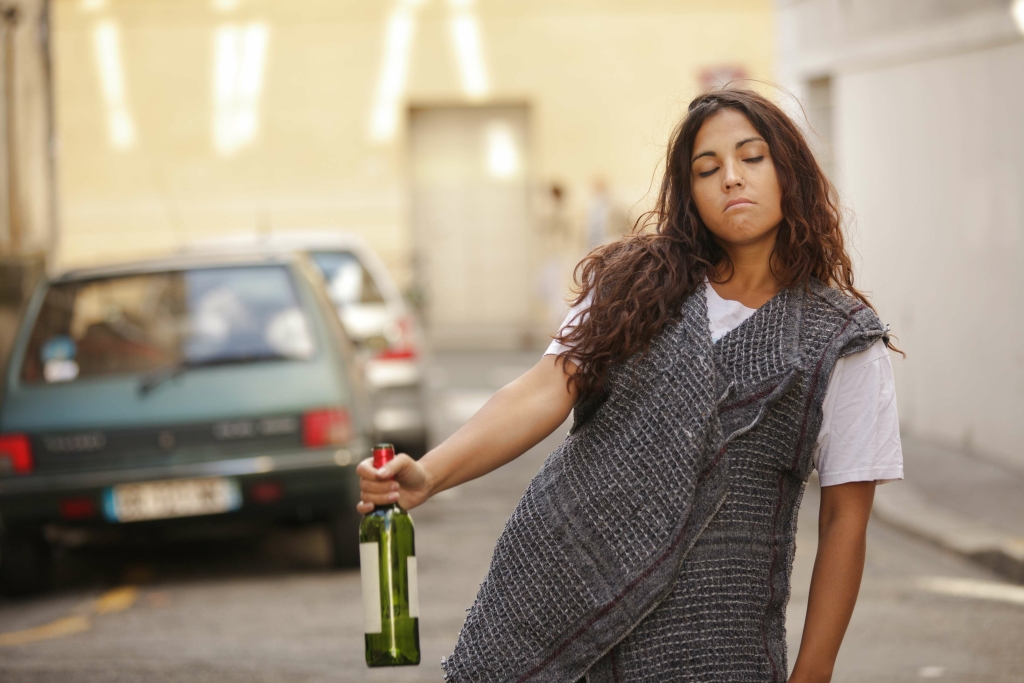
FETAL ALCOHOL SYNDROME AND THE EYE
It then causes blood vessels throughout your body to dilate or expand. The tiny blood vessels in your eyes are most susceptible to this effect. Their delicate capillaries become more visible when they’re enlarged. Furthermore, alcohol can affect the drug addiction vestibular system in the inner ear, which is responsible for maintaining balance and coordinating eye movements. Disturbance to this system may also contribute to blurry or double vision.
- It doesn’t happen often, but when alcohol is involved, you’re at a higher risk.
- At first, the fast-acting effects of a couple of drinks might have you feeling relaxed, drowsy, or even giddy.
- Quitting can significantly improve one’s vision and overall health.
- Call your doctor if your double vision persists longer than it should.
Referral to a nutrition specialist may be needed to advise patients on required dietary changes. Starting on the path to recovery from alcohol addiction is a significant step, and finding the right support is recommended. Medical detox safely manages the physical symptoms of withdrawal under medical supervision, ensuring that your first steps towards sobriety are as safe as possible. Comprehensive addiction treatment provides the medical oversight, emotional support, and therapeutic guidance needed to navigate the complexities of recovery safely. It ensures that every aspect of your health is monitored and supported, from detox through to long-term strategies for staying sober. If you’re considering a change in your life, remember that it’s safer and more effective to have a team of professionals guiding you every step of the way.
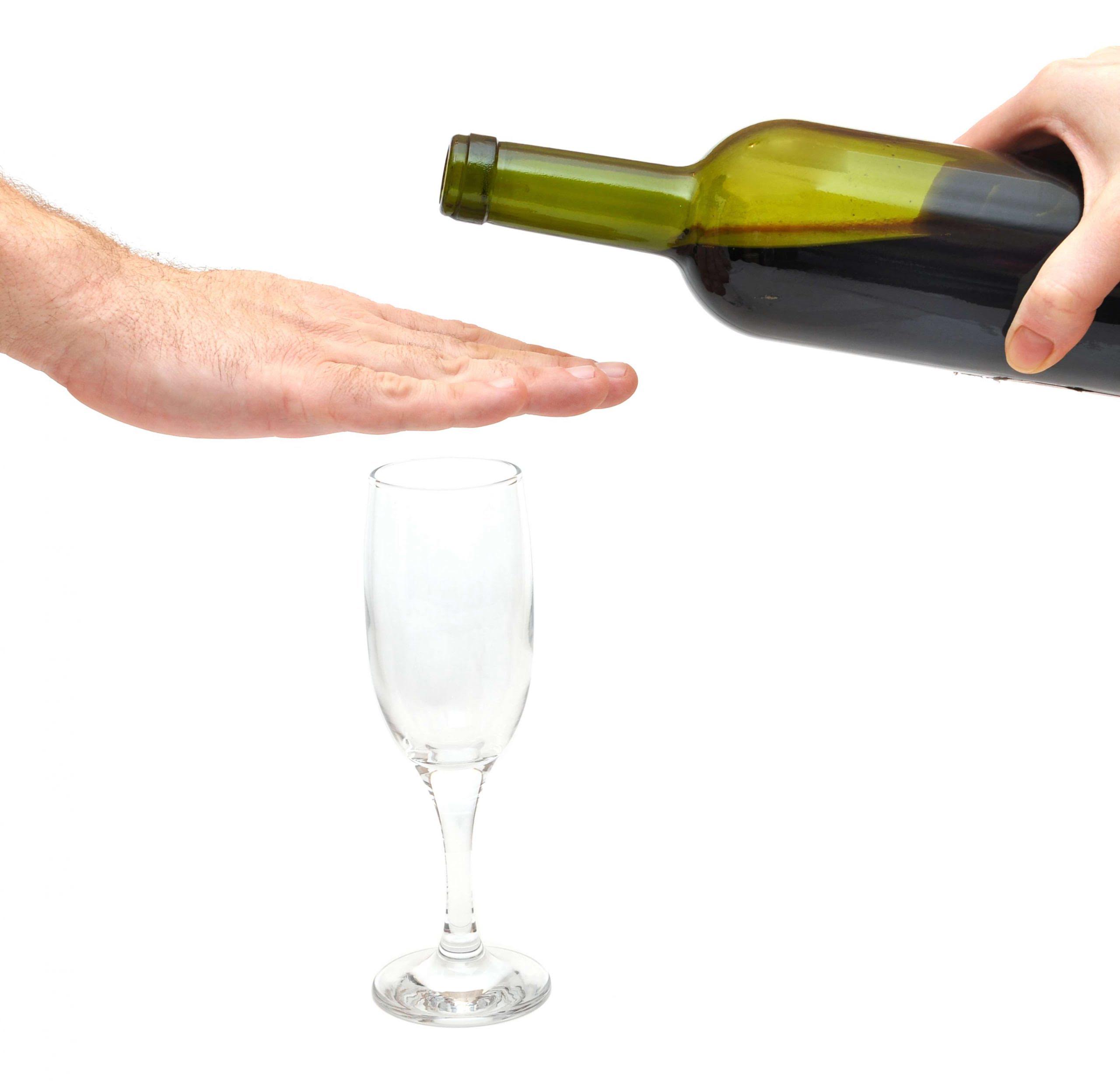
Vision Issues from Excessive Alcohol Consumption
- Eventually, they will lead to total blindness that cannot be reversed.
- Heavy drinkers who smoke and have poor dietary lifestyles are also likely to develop alcoholic amblyopia, a rare case of bilateral vision loss.
- In all cases, earlier treatment leads to better outcomes and a greater chance of preserving vision.
Over time, this chronic dryness can damage the cornea and lead to discomfort and vision problems. Another significant short-term effect of alcohol on eyesight is a reduction in peripheral vision, often called tunnel vision. The retina—the light-sensitive layer at the back of the eye—sends signals about what we see to the brain, where these signals are processed into images. When alcohol is consumed, the brain’s ability to interpret these signals effectively is compromised, particularly in the peripheral areas of our visual field.
- This occurs because alcohol interferes with vitamin A absorption, a nutrient critical for rhodopsin production—a pigment in the retina that enables vision in dim light.
- Infrequent alcohol consumption in small quantities isn’t something you need to worry about too much, but the problems begin once a person is consuming alcohol regularly and in larger quantities.
It’s common to see someone with red, bloodshot eyes after a night out. Alcohol causes the blood vessels in your eyes to dilate, making them look red and sometimes feel uncomfortably itchy. While this might seem like a minor issue, frequent alcohol consumption can lead to lasting damage in these blood vessels, exacerbating the red appearance. Reducing alcohol consumption is key to preventing this irritation and maintaining clear, drunk vision healthy eyes. This discomfort is from eye fatigue and strain caused by alcohol. The eyes work harder to compensate for their reduced efficiency, leading to strain.